
13 Best Hiking Backpacks Under $100: Full Reviews [2023]

One of the most important pieces of equipment that you need for heading out on a hike is a good-quality backpack.
But they can become very spendy, very quickly, especially if you’re looking for one with some nice features such as a frame or an included water bladder.
In this post, I’m going to show you why you don’t need to drop hundreds of dollars on a bag when you can get some of the best hiking backpacks under 100 dollars!
From framed to frameless and 10 liters all the way up to 55 liters, there’s a budget backpack out there for every need.
So let’s jump into it and get you set up with something that will carry all of your gear, including your wallet which has a couple of extra bills in it still!
Top Picks: Hiking Backpacks Under $100
If you don’t have a lot of time, here are my top picks for budget hiking backpacks that will serve you well, but still save you money.
Best Overall: Osprey Daylite Plus
Best Lightweight: Deuter Speedlite 20
Best for Women: Osprey Skimmer 16
Best for Men: Osprey Skarab 18
Best for Backpacking: TETON Sports Scout 3400
Cheap Hiking Backpack Comparison Chart
Below is a comparison chart of all 13 backpacks that I’ve listed in this post, which will help you determine which will work best for you.
| Backpack | Capacity | Weight | Frame | Price |
|---|---|---|---|---|
| Osprey Daylite Plus | 20 liters | 21 oz. | No | See Price |
| Teton Sports Oasis 22 | 22 liters | 40 oz. | No | See Price |
| Mountaintop 40L | 40 liters | 37 oz. | No | See Price |
| Gregory Inertia 18 | 18 liters | 19 oz. | No | See Price |
| Osprey Hikelite 18 | 18 liters | 24 oz. | Internal | See Price |
| Deuter Speedlite 20 | 20 liters | 17 oz. | Internal | See Price |
| REI Co-op Trail 25 | 25 liters | 31 oz. | Internal | See Price |
| Camelbak Hydrobak | 1 liter | 6 oz. | No | See Price |
| Kelty Redtail 27L | 27 liters | 25 oz. | No | See Price |
| Osprey Skarab 18 (men) | 18 liters | 16 oz. | Internal | See Price |
| Osprey Skimmer 16 (women) | 16 liters | 18 oz. | Internal | See Price |
| Maelstrom 40 | 40 Liters | 32 oz. | No | See Price |
| Teton Sports Scout 3400 | 55 liters | 72 oz. | Internal | See Price |
| G4Free 50L | 45 liters | 42 oz. | No | See Price |
Top 13 Best Hiking Backpacks Under $100
1. Osprey Daylite Plus


Osprey makes some of the best hiking backpacks out there, so it’s no surprise that one of their packs takes the cake for number one on this list.
This lightweight pack has a capacity of 20 liters, which is the perfect size for carrying your gear on shorter day hikes.
With a spacious main compartment, a few smaller zippered pockets, side water bottle pockets, and a stuff pocket on the front, there is plenty of space and organization.
I love that even though it’s small and budget-friendly, it’s got a good-quality back panel with Osprey’s AirScape technology for ventilation and breathability.
This pack also has a sternum strap and a removable hip belt to help support your back and ensure the bag is comfortable.
It is a frameless bag, but because of its small size, a frame really isn’t necessary.
Many people love the Daylite Plus because it’s versatile and can double as both a hiking backpack and an everyday bag.
In fact, the Daylite Plus made my list of the best hiking daypacks for women!
2. TETON Sports Oasis 22L


TETON Sports is another highly rated brand for backpacks, but they have many, many options that are all budget-friendly!
So the TETON Sports Oasis is a great option for those looking for a nice quality pack for a day hike.
This 22-liter bag is one of the top options for organization and storage, as there are two large front zipper pockets on top of the large main compartment.
I personally love that this pack has an external pocket for the 3-liter hydration reservoir, which is included with the bag, so you’ll always be hydrated on the trail.
I also have found it nice that the pack offers ports to thread your straw hose through on both sides, so you can choose which you like best.
The pack also comes with its own waterproof rain cover, which can sometimes be hard to find on bags that are cheaper in price.
Although this pack is frameless, the sturdy shoulder straps, compression straps, and sternum strap help provide support.
One reviewer stated that they have carried this pack on tons of adventures including Mount Kilimanjaro and Mount Everest Base Camp!
3. Mountaintop 40L Backpack


Out of all the packs on this list, I find this one the most fashionable, especially the smoke blue color, but there are multiple colors to choose from!
The style of the Mountaintop 40L backpack is different from others, and I love the look of it!
At a capacity of 40 liters, this hiking backpack under 100 dollars is best for those going on longer hikes or for those with extra gear.
One of my favorite features of this bag is the bottom zipper, which has access to the spacious main compartment so you can access your larger items from two locations.
And for your smaller items, store them in one of the other smaller pockets for easy organization and access.
The back panel on this bag has soft, padded cushions along with channels for air to flow through to increase ventilation and keep you cool.
This backpack also comes with its own rain cover, which is stored in its own pocket on the bottom of the bag.
If you’re heading out for longer trips, it also has straps to attach larger items such as sleeping pads and bags to the outside, although it isn’t as supportive for multi-day hikes.
Something to note about this bag is that it doesn’t have a proper space for a hydration bladder, so it’s best to plan to use the water bottle pockets.
4. Gregory Inertia 18


Gregory Mountain Products is another of the top brands out there for outdoor adventure gear, so you won’t normally find them on lists of budget gear.
But their Gregory Inertia 18 is a lightweight, small bag that makes the cut for under $100 and offers plenty of great features.
This is a hydration pack, so it’s specifically designed to hold a water bladder and keep you hydrated on the trail.
The Inertia 18 is sold with a 2-liter water bladder that fits perfectly into the external hydration sleeve.
One of my favorite features of this bag is the quick-disconnect system where you can easily refill your bladder without having to unthread the hose.
Besides all of the great features for the water bladder, this pack also features a large main compartment and two smaller pockets for storage.
And because of its nice size, this bag is versatile and could be used for other things such as school, work, or just going into town.
5. Osprey Hikelite 18


The Osprey Hikelite is an 18-liter backpack that has an internal frame, which is great for providing extra support for your back and shoulders.
For being a smaller bag, the Hikelite offers some of the best features out of all bags on this list, that compete with more expensive options, such as the Osprey Tempest 20.
With the frame, this bag also features a mesh backing system which keeps the bag away from your body to keep your back cool in the hot summer months.
As I said, it is a smaller bag, so it can’t hold a lot of gear, but it’s good for shorter hikes and for those who are ultralight packers.
Some of the top features include an integrated rain cover, trekking pole external attachment points, and a removable hipbelt.
This pack also has an internal sleeve for a hydration reservoir, which isn’t as great as an external one, but it’s sure better than not having one.
One thing that some reviewers have noted is that on certain cotton shirts, the bag has rubbed and caused pilling.
6. Deuter Speedlite 20


The Deuter Speedlite 20 is another great quality hiking backpack under $100 that features plenty of useful and necessary features.
It’s another bag with an internal frame, which can definitely be tough to find at such an affordable price, but it’s highly worth having and provides good stability.
I wouldn’t ever go back to a frameless backpack because the frame helps support my back and avoid back pain!
The bag is very comfortable with its padded shoulder straps and back panel, which also have a mesh lining for added breathability.
You can fit a 3-liter water bladder in the insulated internal sleeve, which is located within the largea main compartment.
I love that the base of the bag is reinforced with a thick material to help protect it when you set it down on the ground.
The Deuter Speedlite 20 has plenty of pockets from the spacious main compartment to the smaller stuff pocket in the front.
7. REI Co-op Trail 25
Pros
Cons
REI Co-op sells some of the best brands in outdoor gear, but they also have their own line of great hiking products!
Their Trail 25 backpack is a great choice for those looking to keep their spending at a minimum.
This is a 25-liter bag with an internal frame, which hits the mark perfectly for what is recommended for a day hiking backpack size.
It has a large pocket that opens on the top, a small pocket on the front, and multiple attachment points for larger items.
You’ll be comfortable all day long with the padded mesh shoulder straps and won’t get too hot, thanks to the contoured foam and mesh lining on the back.
This pack also comes with a rain cover and has external attachment points for your trekking poles.
8. Camelbak Hydrobak


This pack is definitely a bit different than all of the others on this list as it’s meant specifically for hydration and is pretty small.
But I wanted to include it because I think that it can be a great option for those looking to go on shorter hikes and don’t need a lot!
The Camelbak Hydrobak has just 1 liter of gear capacity but has enough space to carry about 1.5 liters of water.
You’ll be able to fit your water bladder and then maybe just a few small snacks, your keys, and a first aid kit in the pockets.
This can be especially great for trail runners or for short hikes on city trails.
Included is a 1.5-liter bladder that has an easy-to-use straw system.
Although this bag is small, it has a great purpose and fills that purpose well!
9. Kelty Redtail 27L


If you’re looking for a nicely sized pack for your days out on the trail, then check out the Kelty Redtail 27.
At 27 liters of capacity, this pack has plenty of space to house all of your gear for the day, and it does it in a comfortable fashion.
It has soft, padded mesh shoulder straps and a back panel.
To put all of your gear inside, you’ll open up the top-loaded panel, and you can also use the spacious front pocket.
You can also put a hydration reservoir inside the bag in the dual-use sleeve, which also doubles as a place to carry a laptop for everyday use.
One downside of this bag is that the side pockets where you can store water bottles are kind of short, so large bottles may fall out.
10. Osprey Skarab 18/Skimmer 16


I wanted to include as many Osprey packs as possible because they’re my favorite backpacks and I love finding budget options.
The Osprey Skimmer/Skarab is another great option, with one pack designed to fit men and one for women.
The Skimmer is the women’s model with 16 liters of gear capacity, which is a bit small but is still a good size for moderate-length day hikes.
The Skarab is an 18-liter pack and is designed to specifically fit men’s build and can hold about the same amount of gear as the Skimmer.
Both packs have excellent features including an internal frame, an included 2.5-liter water bladder, and the ability to carry up to 25 pounds.
Each has wide-mouth access on the top which makes getting all of your gear out nice and easy.
Both bags also have daisy chains on the front for attaching extra gear, as well as Osprey’s AirScape back panel for a comfortable and cool day on the trail.
This is definitely one of my top choices for the best hiking backpacks under 100 dollars because I think that it’s a real bang for your buck!
11. Maelstrom 40L


For the price of this bag, it is surprisingly a great product with a lot of features that you wouldn’t normally find for this price!
Forget under $100, this bag comes in at a total price of under $50, which as I said is almost unheard of for this type of bag.
This pack is 40 liters, which is plenty of space for most day hikers and even for some going on multi-day or overnight trips.
It’s got multiple pockets including on the hipbelt and a bungee strap on the front to attach extra gear.
The straps are padded for extra comfort and so is the hipbelt, so you’ll be comfortable and supported with this pack.
I also love that it includes a rain cover in its own pocket and has straps to attach your trekking poles to the outside.
And for being a larger backpack, this bag only weighs 2 pounds, so it’s definitely on the lighter side of bags!
While this bag doesn’t feature the exceptional quality that you’ll find with Osprey or Gregory bags, it is a quarter of the cost and is a great choice for beginners!
12. Teton Sports Scout 3400


The TETON Sports Scout 3400 is one of Amazon’s most highly rated internal framed backpacks on the market, showing how great it is.
It’s a very large bag, with 55 liters of capacity, so it’s one of the best on this list for multi-day hikes and backpacking trips.
With the internal frame, the bag will stay sturdy and supported on your back, so you won’t have to worry about pain or instability.
You can also adjust the torso placement to ensure that it fits you properly and comfortably.
This bag can hold up to a 3-liter water bladder, has its own rain cover, and has plenty of gear loops on the outside for gear such as sleeping pads.
I personally love the large side pockets which allow you to grab anything that you need from them quickly, such as snacks or a light jacket.
You can also feel confident in purchasing this bag with TETON Sports’ lifetime warranty and great customer service.
13. G4Free 50L Backpack


This pack is unique from the rest on this list because it features an external USB port to charge your devices.
This could come in handy for a long day on the trail to keep your phone charged up to use your maps or All Trails.
Alongside this unique feature, this bag also has a lot of other great features that other bags on this list of hiking backpacks under $100 have.
This 50-liter backpack has plenty of pockets for organization, including a bottom compartment that is perfect for storing dirty clothes, shoes, or a small sleeping bag.
It also has the ability to carry a 2-liter hydration bladder and includes its own rain cover in the pocket on the bottom of the bag, although the bag itself is water-resistant.
I really like that the G4Free has a hipbelt with pockets because that’s something that you aren’t able to find on a lot of budget hiking backpacks.
I also appreciate the addition of compression straps and load lifters to help take some of the weight off of your back when hiking.
Many people use this bag for hiking, but also for other uses, making it a very versatile option for those looking to get outside.
Is a Hiking Backpack Worth It?
For me, the answer to this question is a very easy YES!
Having a backpack that is designed specifically for hiking can greatly benefit you in terms of comfort, space, and features when on the trail.
Below I’ve listed a few of the top reasons that I recommend having a legit hiking backpack, rather than using a drawstring when hiking.
- Proper Storage Space: With a hiking backpack, you’ll have plenty of space to carry all of the gear that you need on the trail, and in a simplistic way.
- Support and Stability: Many packs have frames and straps that are designed to prevent pain in your body and keep the bag stable on your back.
- Organization: Most bags have plenty of zippered pockets that allow you to organize all of your gear.
- External Features: Hold items such as trekking poles or a sleeping bag easily by attaching them to your pack.
- Stay Hydrated: Most packs have the ability to carry a water bladder which helps you easily stay hydrated while hiking.
- Durability: Hiking backpacks are designed to be brought in the outdoors, so they’re much more durable than your old school bag.
How to Choose the Right Hiking Bag
When searching for your perfect backpack, you’re going to want to consider a few things, just to make sure it’s right for you.
Below you’ll find some of the best features and things to check out when you’re ordering your new hiking backpack.
Capacity
One of the most important factors in a backpack is the capacity of your bag.
Hiking backpacks are sold with sizing in liters, and you’ll typically find sizes all the way from 10 liters up to 75 liters.
For a day hike, the recommended size is between 20 and 30 liters, but you can definitely get away with smaller or larger.
It all depends on how much gear you’re going to need.
For longer hikes, you might want something closer to 30 liters, and for shorter hikes, you can absolutely get away with something as small as 16 liters.
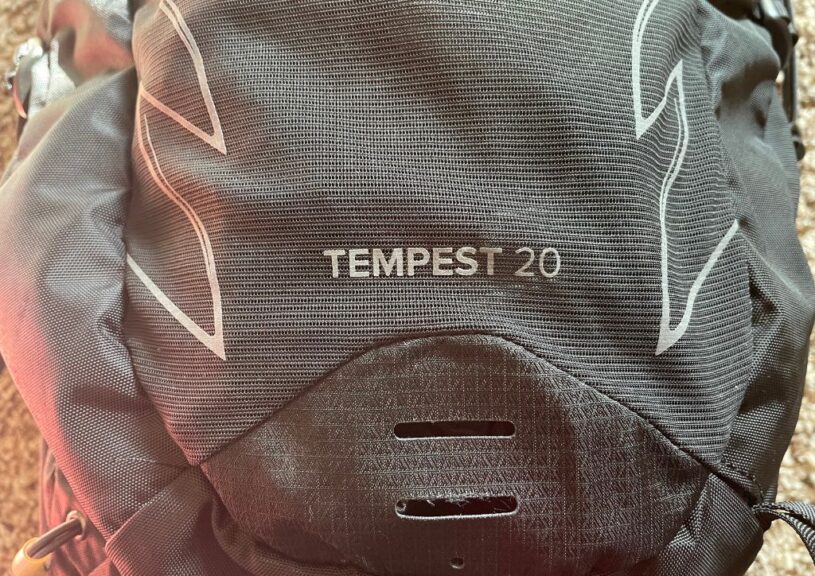
I usually use the 20-liter Osprey Tempest 20 for all of my day hikes.
Frames
Some hiking backpacks have frames and others are frameless.
A framed backpack, such as the Osprey Hikelite 18, typically provides more support and stability, as it braces itself better on your back.
These also can carry more weight and distribute the weight across your back better than a frameless pack.
Frameless backpacks, such as the Osprey Daylite Plus, can be great too, especially if they’re a smaller capacity or have other supporting mechanisms such as a hipbelt.
These are lighter in weight and won’t carry as much gear or weight.
You’ll find a framed backpack more often with a more expensive bag, but there are a few great options on this list that are more affordable!
I personally prefer a framed backpack because it doesn’t cause as much back pain and feels lighter.
Pockets and Organization
Of course, you’ll be looking at the pockets in a backpack to make sure that the organization is something that you can work with.
Most bags have a large, main compartment that can store all of your large gear such as extra clothing, your lunch for the day, etc.
Then, many have smaller zippered pockets that can store small things such as snacks, first aid kits, or headlamps.

A few backpacks have something that I like to call a “stuff pouch,” which is a stretchy pocket in the front that I put my raincoat and cover in.
Others have pockets on the hip belts or on the side for water bottles.
With all of these different types of pockets, you can organize all of your items how you like them.
Access
The access to your bag is how you’re able to get into the pack and get your gear out.
Most backpacks have a large zipper on the top that just opens your bag and allows you to reach in and grab out the items that you need.
Some other packs have openings on the front or side, which can sometimes make accessing your gear easier.
Weight
The weight of the backpack itself is an important consideration, especially if you’re going to be using it for backpacking or multi-day hikes.
When you have a backpack that is already heavy without any gear in it, you’re just adding unnecessary pounds to the overall weight of the pack.
If you’re going on shorter day hikes, the weight may not be as important because you don’t have to carry the bag for long periods of time.
Framed backpacks tend to be heavier than frameless, but the choice will all come down to what is most important to you.
Hydration Compatibility
Most backpacks that are designed for hiking have a specific pocket designed to hold a water bladder.
They also then will typically have a port at the top of the backpack which is for threading your straw through to drink from.
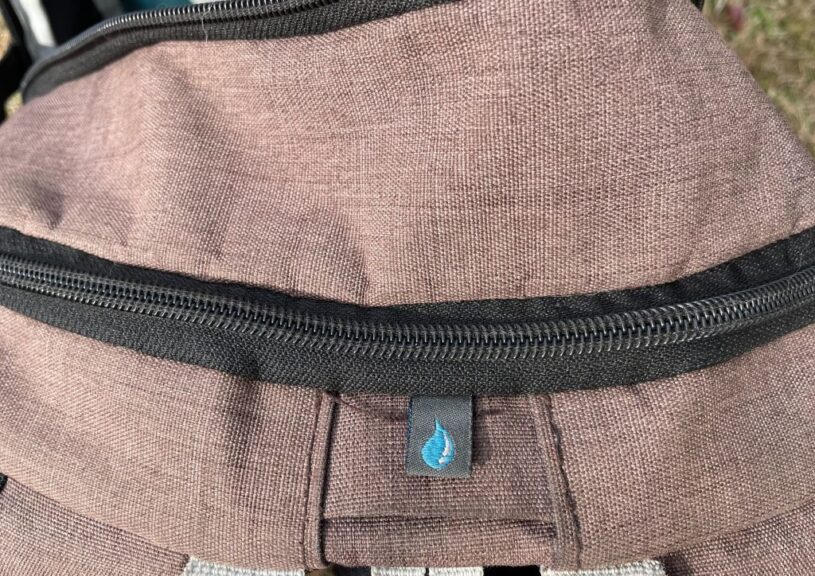
I think having hydration reservoir compatibility is important because you need to stay hydrated on the trail and bladders are the easiest way to do that.
But if not, you can always carry water bottles in the side pockets that most backpacks have.
Comfort
Of course, one of the most important parts of choosing anything that you’re going to be wearing is checking how comfortable it is.
It’s just not worth getting out there on the trail and realizing that you’re going to be uncomfortable all day long!
Most hiking backpacks are designed to be comfortable since they’re going to be worn for a long time.
Many of them have padded mesh shoulder straps, which help prevent the weight of the bag from digging into your shoulders.

They also typically have padded back panels to help prevent the same thing.
Some have padded hip belts, but this is a lot harder to find in a budget hiking backpack, so consider that when making your purchase.
I also recommend choosing one with different points of adjustment (shoulder straps, sternum straps, hip belt, torso, etc.) to help fit it to your body.
The best hiking backpacks under $100 on this list are all comfortable, but you should try them on before getting on the trail.
Size
Most cheap hiking backpacks are sold in just one size, but there is a chance that they may be sold in multiple sizes.
If you’re looking at a pack that is sold in multiple sizes, then it’s likely that it’s sold by your torso length and sometimes, your hip size.
Your torso length is the distance between your iliac crest and your C7 vertebra on your back.
To measure your hips, simply find the widest part of your hips and measure around them.
Here’s a helpful video from REI on how to find your backpack size at home;
You’ll then use the sizing chart from whichever brand bag you’re buying to choose which size fits you best.
Some packs do have adjustable torsos, such as the TETON Sports Scout 3400, but this is a lot hard to find in a budget pack.
Breathability
Something that I find important in a hiking backpack, especially for hiking in the summer, is having a breathable bag.
Framed packs are typically pretty breathable because they oftentimes have a mesh layer that holds the bag away from your back.
This helps prevent you from getting super sweaty when it’s hot outside.

Frameless packs are less likely to be as breathable since they have no way to stay away from your skin.
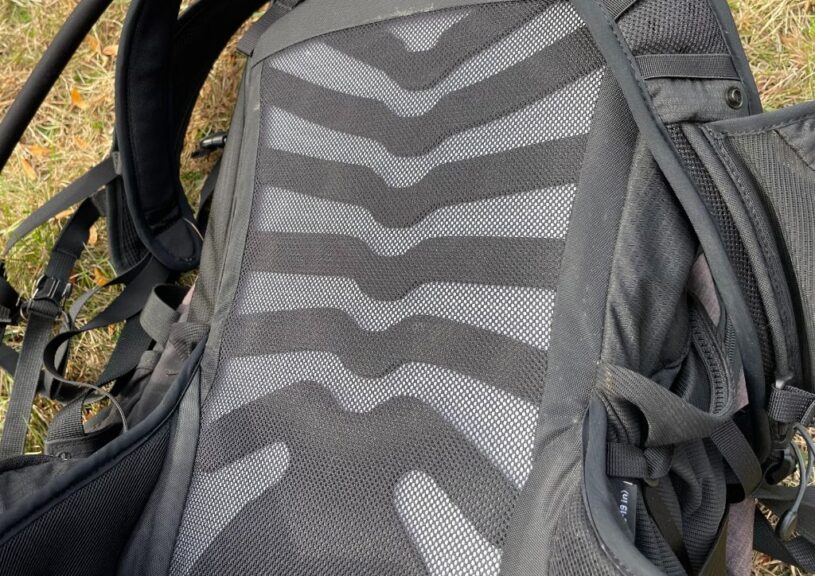
But, many of them do have contoured backs that help with airflow, so they do have a little bit of ventilation.
Additional Features
Other features that can be helpful to consider when choosing a pack are some of the additional straps or attachment points on bags.
Some packs have places to attach your trekking poles, helmets, or other large gear.
Others have straps for holding sleeping bags or sleeping pads for overnight trips.
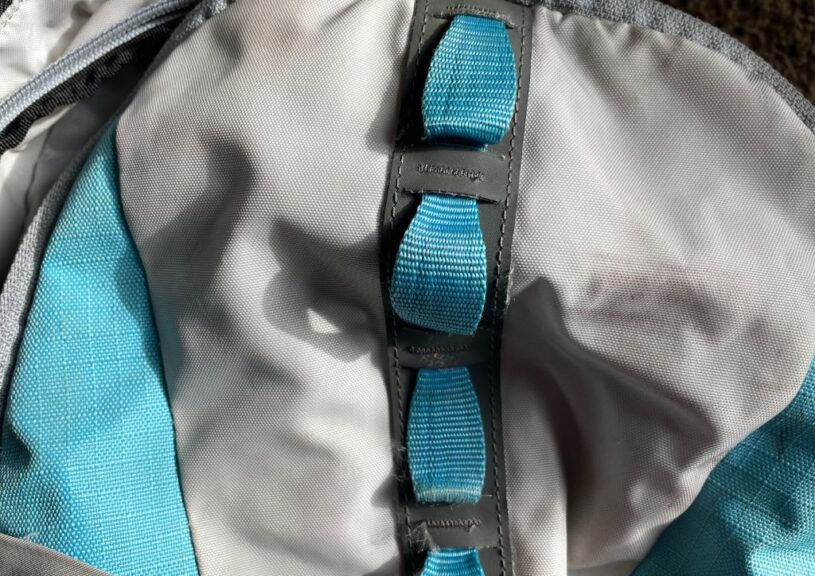
More simple packs may not have any of that and might just have something as basic as a few daisy loops to hold onto a hat.
In addition to these features for storing gear, some packs may come with a waterproof rain cover and others might have an included water bladder.
Every pack is different, but you may be interested in basing your purchase off of these additional features.
How a Hiking Backpack Should Fit
It’s important to size your hiking backpack properly to ensure that it sits on you comfortably when you’re on the trail.
Here are a few tips to ensure that your bag is fitting you right;
- For packs that come in more than one size, be sure the sizing chart shows that the pack will fit your torso.
- Measure your torso by finding the distance between your iliac crest (hip bones) and your C7 vertebra (knobby bone at base of neck)
- Measure your hips to make sure the hipbelt fits around them and can tighten to take some load off of your shoulders.
- Shoulder straps should tighten closely around your shoulders and the anchor points should sit about 2 inches below your shoulders on your back.
- The sternum strap should sit about 1 inch below your collarbone and loosely tighten it across your chest.
- Use load lifter straps if available to help pull your pack forward and take some stress off of your back.
Here are some more tips from REI about fitting your backpack
FAQs
What Size Backpack Do I Need for a Day Hike?
The recommended capacity for a backpack for a day hike is between 20 and 30 liters.
This will provide most people with enough space to pack an extra set of clothes, a meal and snacks, and anything else that you may need.
If it’s a shorter hike, you might even be able to get away with 16-18 liters!
And if you’re a heavy packer, you might need something larger.
How Long Does a Hiking Backpack Last?
If you’re taking good care of your backpack and using it properly, it could last you up to 10 solid years!
But it’s also important to remember that the cheaper the bag, the worse quality it is.
So you might find that your budget hiking backpack doesn’t last as long as other more expensive options.
Are Cheap Hiking Backpacks Worth It?
Yes, these cheap hiking backpacks under 100 dollars can absolutely be worth it!
They’re a great way to save money and still get a good product to store your gear on the trail.
You can tell how good a bag is by looking at reviews or by checking the materials they’re made of, etc.
These steps will help make sure that you’ve chosen a good option.
How Much Does a Good Hiking Backpack Cost?
The cost of hiking backpacks really varies depending on what you need in your pack.
If you’re looking for a large, name-brand bag, I would plan to spend anywhere from $100-$250.
But if you’re getting a bag that isn’t name-brand, you can usually find them from $50-$100.
Do Hiking Backpacks Make a Difference?
I personally think that it’s very important to have a hiking backpack, as opposed to your regular everyday pack.
They have more support, are built to hold heavy amounts of weight, are more durable, and sometimes have other features that can be helpful in carrying gear.
I also love that you can usually carry a water bladder in a hiking bag, whereas you usually can’t in a regular bag.
What Size Backpack Do I Need for a Multi-Day Hike?
The answer to this question varies on how many days the hike is, the weather, what you pack, etc.
But usually, the recommended size for a backpacking bag is between 30 and 50 liters.
Conclusion: Best Hiking Backpacks Under $100
There are so many options out there for great backpacks to wear on the hiking trail, but most of them are so expensive!
So what do you do when you’re searching for a budget pack that still has all of those great quality features?!
You check out this list of the best hiking backpack under 100 dollars and find a great option for you to get out and hit the trail!
I hope that you’ve enjoyed this review post and are able to find one that works well for you to get out and enjoy the great outdoors.
Related Posts About Hiking Gear:
