Sore Feet After Hiking: 9 Possible Causes + Best Remedies to Try

Have you found yourself having very sore feet after hiking? There are endless reasons why this might happen, and I’m here to help you figure out why.
I know what a pain it is to have hurting feet when on the trail, and I’ve dealt with it my fair share of times.
As someone who’s constantly hiking, I’ve learned about a few things that can cause this, as well as some remedies.
It could be that your boots are too small or that you just aren’t used to hiking yet, or some other reasons.
Many people also have pain when thru-hiking trails like the Pacific Crest Trail or the John Muir Trail.
In this post, I’m going to walk you through some of the top reasons that your feet hurt after hiking, as well as some remedies so you can get back on the trail and enjoy yourself.
Possible Reasons for Having Very Sore Feet After Hiking
There are many reasons that your feet hurt after hiking, but there are a few main possible causes that we can look at.
While these are some of the main causes, there are others as well and if these don’t seem right or fix the problem, then you should consult a doctor.
1. Your Boots Are Too Small
One of the places that we can start is that your boots might just be too small for your feet and you need to size up.
This may seem obvious, so you may already know that you have too small of boots.
But there are a few things to look for if you aren’t sure, and this can cause some real pain in your feet.
First, if your toes are jamming into the front of your boots, you might have too small of a size, and this can cause toe pain.
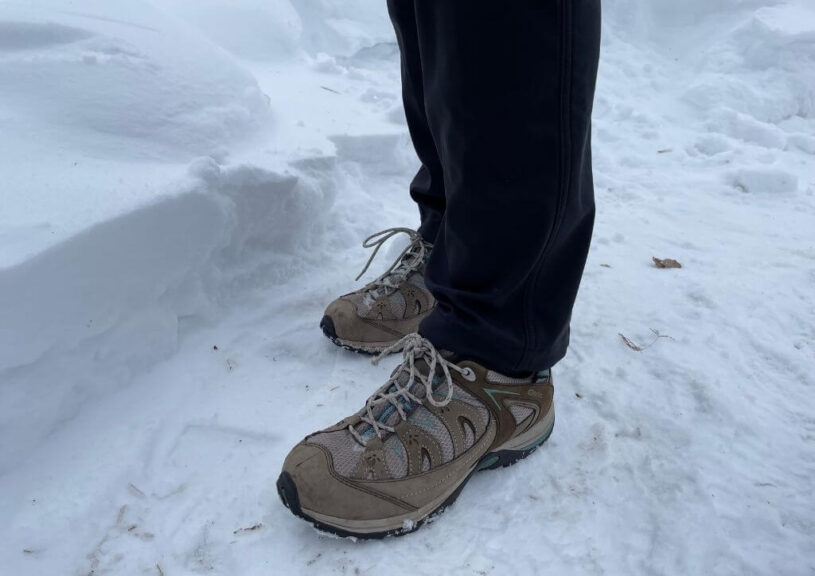
They might also be too small if your feet feel like they’re being squeezed.
Either of these issues can cause hiking to hurt your feet, and make you feel miserable by the end of the day.
Too small of boots can cause blisters on the bottoms of your feet or ankles, and be quite painful.
If this seems like you, I’d head on into REI or another outdoor store and see about getting a bigger pair.
2. Your Boots Are Too Big
While it’s common for people to size up 1/2 or so size in hiking boots, you really don’t want them to get to be too big.
Having boots that are too big can be another source for issues, since your feet will be sliding all around and won’t have any support.

You can tell your boots are too big if your feet are moving around in your boots and are hitting the ends.
If your toes have more than just a slight amount of wiggle room, they’re too big and you’ll want to size down.
Having boots that are too big can cause blisters, toe pain after hiking, and problems with walking properly.
3. Not the Right Shoes
Another thing that might cause you to be having foot pain after hiking is not wearing the right shoes. This can also cause issues with your knees while hiking.
If you’re hiking in anything but hiking boots, this may be causing your issues.
Many people hike in things like crocs, converse, flip-flops, sandals, or other shoes, and these just aren’t ideal.
These don’t provide the support that you need, might cause blisters, and aren’t comfortable for long distances.
So if you’re wearing any of these things that should be avoided while hiking, I’d recommend getting yourself a pair of boots.
4. You Don’t Have the Right Insoles
Having the right insoles for your feet is crucial while hiking since they can really help keep your feet comfortable.
Insoles act as a cushioning barrier between the foot and the ground, absorbing impact forces and providing stability.

Some people need insoles that help keep their arches raised, some use them to prevent overpronation, and others are to help with circulation.
Many people also wear insoles for plantar fasciitis, which is inflammation of the tissue that connects your toes and heels. This can be very painful.
Not everyone needs insoles, but they can be really helpful if you find that you have some of these problems with your feet.
5. You Aren’t Used to Hiking Yet
If you’re still a beginner hiker and you haven’t been out on the trail very much, then your feet might just not be used to hiking yet.
It could also be that it’s your first hike of the season and you’re just getting back into it.
Hiking trails are typically covered in rocks, sticks, and uneven ground, and this can be really rough on our bodies.
So getting your feet used to hiking first might really help with your hiking foot pain.
This can easily be done by starting out on short and flat hiking trails, rather than starting out on longer more strenuous ones.
6. Your Pack is Too Heavy
If you’re finding that you have sore feet after hiking for multiple days or going on a backpacking trip, then your pack might just be too heavy.
Having the proper weight for your backpack can really help improve foot pain after hiking and prevent it in the future.
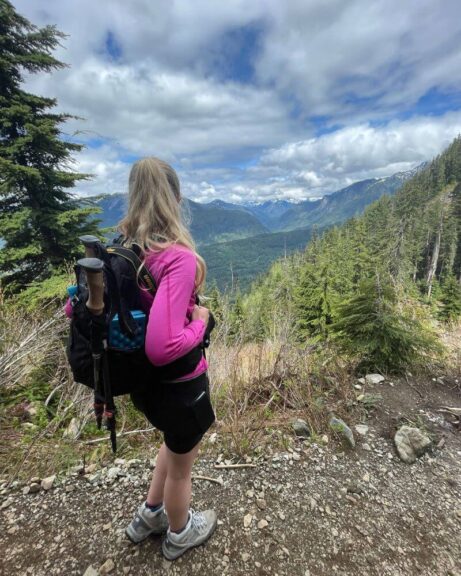
According to REI, your backpack should never weigh more than 20% of your body weight for backpacking, and no more than 10% for day hikes.
This can change quite a bit depending on your body type, the season, and your personal preference, but this is a good weight to aim for.
7. You’ve Done a Long Hike
If you don’t normally find that your hiking boots hurt your feet, then the pain you’re having might just be explained away by having gone on a long hike.
Being out on the trail for a long day can cause foot pain, and I’ve experienced this many times!
I went out on a 12-mile hike last spring, and my feet were killing me by the end of the day! But this was the only real reason that they hurt.
So if this sounds like you, then you might not have much to worry about.
8. Your Socks Aren’t Good for Hiking
If you aren’t using proper hiking socks, you might find your feet hurting or you’re getting blisters.
Wearing hiking socks can help prevent blisters because they’re specifically designed to be worn for long distances on the trail.
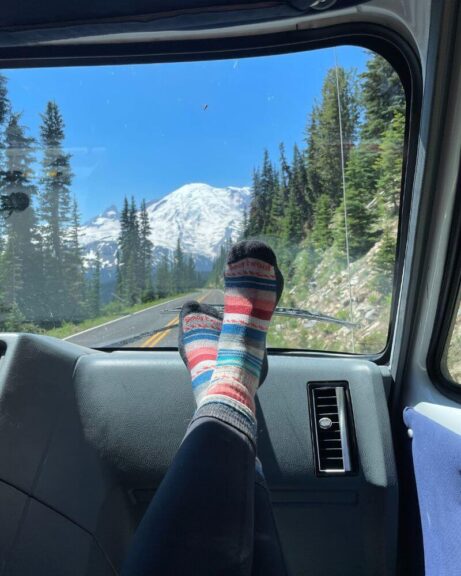
If you’re wearing shorter socks that are slipping down or thin socks that are wearing out, you may find yourself getting blisters.
I personally recommend Darn Tough socks, because I think that they do the best job and keep my feet comfortable on the trail all day.
I also love Smartwool because they’re also made of Merino wool and are comfortable and super soft!
9. Blisters and Hot Spots
Blisters and hotspots can cause significant discomfort and very sore feet while hiking.
These can be pretty obvious, and you’ll likely know if you have them, but it’s worth checking out.
When hiking, the combination of moisture, heat, and repetitive movements can exacerbate these issues and make blisters and hotspots more likely.
Blisters and hotspots create a painful barrier between the foot and the hiking boot, making each step agonizing and impeding mobility.
If you find that you have some of these, use some moleskin over the blisters or hotspots to prevent it from getting worse.
Remedies to Try for Sore Feet After Hiking
If you’re having issues with sore feet when you’re out on the trail, then you’re probably searching for some remedies to help fix that pain.
Here are a few things to try to help your feet feel better so you can still enjoy your hiking.
Try Different Boots
One thing that you can try (although I know it isn’t ideal) is to try different boots.
This is especially important if you’ve found that your hiking boots are either too small or too big.
While it’s tough to accept the fact that you’ll need to buy a whole new pair, it’s really important to have well-fitting boots, and I promise it’ll make your life easier.
You can definitely opt for a budget-friendly pair of hiking boots, which might make the move a bit lighter on the pocketbook.
Lighten Your Pack Weight
Another step to make is to lighten the weight of your pack to put less pressure on your feet to carry such a heavy item.
Try taking out anything unnecessary that isn’t vital to have while you’re on the trail.
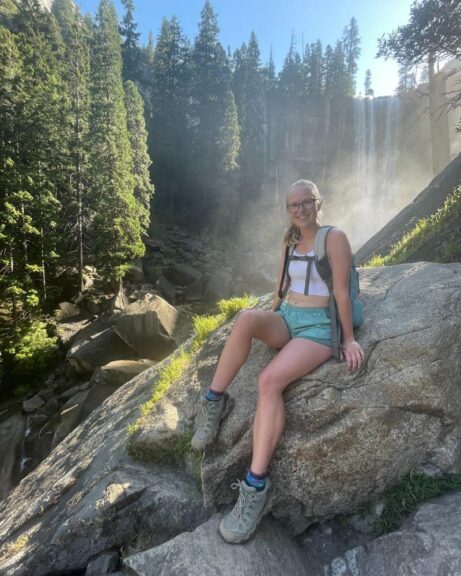
This could be things like valuables, extra heavy clothing, bulky items, or extra kitchen gear if you’re backpacking.
I know it can be tough because I’m naturally an over-packer, but taking these things out of your bag might make a big difference.
Use Different Insoles
Try choosing an insole that really supports your feet and makes wearing your boots feel comfortable.
Some insoles are designed to provide extra cushion while others help keep your arches raised.
The insoles that come with hiking boots are often flat and don’t provide any extra support, so this could alleviate some of your foot pain after hiking.
You can find these at basic stores like Wal-Mart, or outdoor stores like REI. Sometimes you can also get special ones prescribed by a doctor, but they’re more spendy.
Pack Moleskin
If you’re finding that you’re having burning feet while hiking, one of the main causes may be blisters and hotspots.
These are most often found on your toes and ankles, but I’ve actually also had them on the bottom of my feet.

One solution that I’ve found for this is to pack moleskin, which you can layer over a blister to prevent continuous rubbing on it.
While this won’t fully solve the problem of your sore feet, it’ll help put a bandage on it until you get home.
Break in Your Boots
Many people forget to or just don’t break in their hiking boots before bringing them on the trail, but it’s so important!
Be sure to wear your boots around the house and on shorter hikes before embarking on a longer trail.
This will help you determine if they’re the right boots for you or if you need to choose a different pair.
Try Soaking Your Feet
Soaking your feet in a hot bath after getting back from a hike might help you alleviate some of the pain of sore arches after hiking or any other foot pain you have.
Doing this can help get blood flow back to them and help to relieve any sore muscles in your feet.
You can do this with Epsom salt also, which can help relieve sore muscles.
Maybe you can also talk someone into giving you a foot massage after your soak… 😉
Wear the Proper Socks
While some people are able to (somehow) get away with wearing regular socks on the trail, I’ve never found it to work for me.
I always have to wear specific hiking socks, otherwise, I get sore ankles after hiking.
Regular socks aren’t made to be as tough as hiking socks, so boots can sometimes rub holes in them, slip down into our shoes, or make our feet more sweaty.
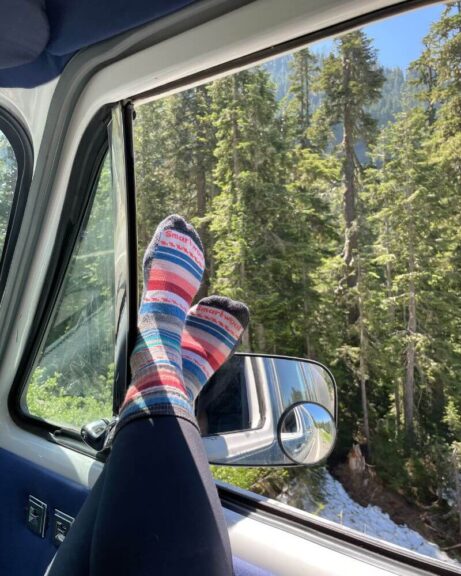
Hiking socks can prevent blisters, wick away moisture, and are more cushioned.
I choose Darn Tough socks because they’re comfortable, made of merino wool, are soft, always protect my feet, and have a lifetime warranty.
Some people also really love toe socks, like the Injinji toe socks, which can separate your toes and help prevent blisters.
Trim Your Toenails
This is another one of those ‘maybe this is obvious’ ones, but if you haven’t trimmed your toenails in a while, you may want to be before you head for the trail!
If your toenails are long, they might rub up against your toes and cause cuts or scratches, which can be painful.
Maybe even pack a nail clipper in your hiking day pack!
Bring Extra Socks
An extra pair of socks can do a lot of good while on the trail from being worn after stepping in a puddle to using as mittens if you forgot yours (speaking from experience).
But most importantly, they can be used if you find a hole in your sock, your boots end up being too big, or you need a little extra cushioning.
I wouldn’t put them on if you feel like your boots are too small, but if they feel a little bit, socks can help fill that gap.
An extra pair of socks can also help prevent rubbing by acting as a second barrier where hotspots are forming.
It never hurts to toss an extra pair in your pack for when you’re wondering how to stop feet hurting when hiking!
Talk With a Doctor
If you’ve tried all of these remedies and your sore feet after hiking persists, then I would advise you to talk with a doctor.
There might be something else at play here that we can’t solve by simply adding an extra pair of socks or taking it easy.
Plantar fasciitis is a very common condition that a lot of hikers struggle with, and while you can usually self-treat, a doctor may be able to give some more advise.
Tips for Protecting Your Feet While Hiking
If you’re already on the trail, you can’t exactly go to the store and buy a new pair, soak them in the bathtub, or lighten your load if your feet hurt.
Here are a few ways that you can try to help your sore feet while hiking when you’re on the trail.
Take Your Shoes Off During Breaks
Whenever you take breaks, which should be often if you have foot pain, try to take your shoes off and let them breathe.
This can help to let your feet get some air, relieve them of the pressure of having boots on all day, and maybe even reduce swelling.
Even if my feet aren’t hurting, I still try to let my feet breathe some when we’re hiking!
Soak Them in a Stream
While you have your shoes off, see if you can find a nearby stream, lake, or river to soak your feet in.
While it won’t be the same as an Epsom salt bath, it can help reduce swelling and make your feet feel better.

Plus, it’ll help cool them down and relax a little bit.
Just be sure to fully dry them off before putting your boots back on because…
Wet feet+Socks+Walking= A recipe for disaster. 👎🏻
Massage Your Feet
Another thing to do while your boots are off is massage your feet.
This can help get some blood flow into them and relieve some of the sore muscles that might be causing you issues.
Relace Your Boots
Having your boots laced up properly can really help reduce pain since certain lacing patterns are better than others.
You want your heel to be firmly locked in place, but you’re going to want your toes to be able to wiggle.
So having them tied to tightly at the bottom can cause toe pain, while too loose at the heel can cause ankle pain.
Watch the video above to get a better idea of how to tie your boots properly.
Treat Hotspots Right Away
If you’re on the trail and feel a hotspot or blister coming on, it’s really important that you begin to treat it right away.
Letting it continue to get worse is only going to cause more pain, and I promise that treating it is worth stopping the group.
Use moleskin or bandages to layer over the blister or hotspot to prevent rubbing.
Keep Your Socks and Shoes Dry
As I mentioned above, having wet socks and shoes while hiking can really be a recipe for disaster.
Wet socks are more likely to cause blisters since there’s so much more friction and rubbing against your ankles and toes.

I will always recommend that you get yourself a pair of waterproof hiking boots and pair them with a pair of Merino wool socks.
This is the best combo to prevent wet feet, but if you still end up with them, pack a pair of extra socks to change into.
FAQs
What Helps Sore Feet After Hiking?
Try soaking your feet in hot water after hiking to help sore feet. You can also try using different insoles, taking more breaks, using moleskin, or other remedies when you’re on the trail.
Do Your Feet Get Used to Hiking?
Yes, your feet will get more used to hiking and they likely won’t hurt as bad after a while. Our feet have muscles that we need to build up, just like the rest of our bodies.
How Do I Stop Feet Hurting on Long Walks?
Try using different insoles, getting better quality shoes, or getting your feet used to walking on shorter walks to stop feet from hurting on lake walks.
How Do I Toughen My Feet for Hiking?
You can toughen your feet for hiking by getting out more often and getting your feet used to the terrain. You can also try some different foot exercises.
Why Do My Feet Hurt So Bad After Walking Around?
Your feet might hurt after walking around because you don’t have the right shoes, you need new insoles, you have plantar fasciitis, or many other issues.
Wrap-Up: Very Sore Feet After Hiking
If you’re finding yourself with very sore feet after hiking, there are several things that could be causing the issue.
From too small or too big of boots to not having the right insoles or just not being used to hiking yet, there are a few things to consider.
But there are also many remedies, and as an avid hiker, I’ve tried many of them.
Use this list of remedies for sore feet to help get you back on the trail.
